- Vacancy directly impacts profitability. Every empty day reduces cash flow while fixed expenses continue, making vacancy reduction one of the most effective ways to protect rental income.
- Market knowledge drives faster leasing. Understanding local demand, pricing competitively, and adjusting for seasonality helps prevent units from sitting vacant.
- Well-maintained properties lease quicker and retain tenants longer. Strong curb appeal, preventative maintenance, and responsive service increase tenant satisfaction and renewal rates.
- Strategic marketing and tenant retention go hand in hand. High-quality listings, broad exposure, and a positive tenant experience reduce turnover and minimize downtime between leases.
As a rental property owner, few challenges are more persistent and impactful than vacancy rates. Every day a unit sits empty is a day without rental income, and over time, persistent vacancies can erode your profits, strain your cash flow, and slow your investment growth.
Reducing vacancy is not a one-time task but a continuous process of understanding your market, positioning your properties effectively, and creating positive experiences for tenants. This article by Reside Rentals walks through proven techniques to keep units filled, appeal to quality renters, and ensure your investment performs at its best.
Learn how we can help you maximize your home’s potential.
Understanding Vacancy and Its Impact
Vacancy rate refers to the percentage of rental units that are unoccupied and available for rent at any given time. A high vacancy rate signals lost income and often indicates deeper issues with property pricing, marketing, maintenance, or tenant satisfaction.
For landlords in Logan, the local economy, seasonal student demand, and broader housing trends influence how quickly units lease. By understanding these drivers, owners can tailor their strategies to meet demand and respond quickly when units are at risk of turning vacant.
High vacancy wears on your bottom line. The cost is not just in lost rent, but also in continued expenses such as mortgage payments, taxes, utilities for common areas, and maintenance. Frequent turnovers amplify the impact by adding cleaning, repairs, and marketing costs. Reducing the time between tenants is therefore an investment that pays dividends.
Know Your Market and Set the Right Rent
One of the foundational elements of minimizing vacancy is setting a competitive, realistic rent for your market. Overpricing a unit may seem like a way to maximize return, but if the price isn’t in line with comparable properties, your listing will languish.
Prospective renters are savvy; they research multiple properties before deciding. If your rent is higher without clear value to justify it, they will choose alternatives.
To set the right rent, study similar properties within your neighborhood. Look at size, condition, amenities, and location. Consider the typical demographics of Logan renters. Understand who your tenants are and what they are willing to pay.
Adjust your pricing strategy based on seasonality and economic conditions. When demand rises, a modest increase may be appropriate. When it softens, a small adjustment can prevent lengthy vacancy.
Evaluating rent annually and staying informed of local trends allows you to remain competitive without sacrificing income. Many owners also find value in offering flexible lease terms, such as shorter or month-to-month options, to attract a broader range of renters who may not want traditional long-term commitments.
Create Appealing, Well-Maintained Units
First impressions matter. A property that shows well attracts renters quickly and commands stronger interest. Maintenance isn’t just about responding when something breaks. It’s about preventative care, curb appeal, interior cleanliness, and updates that reflect current standards.
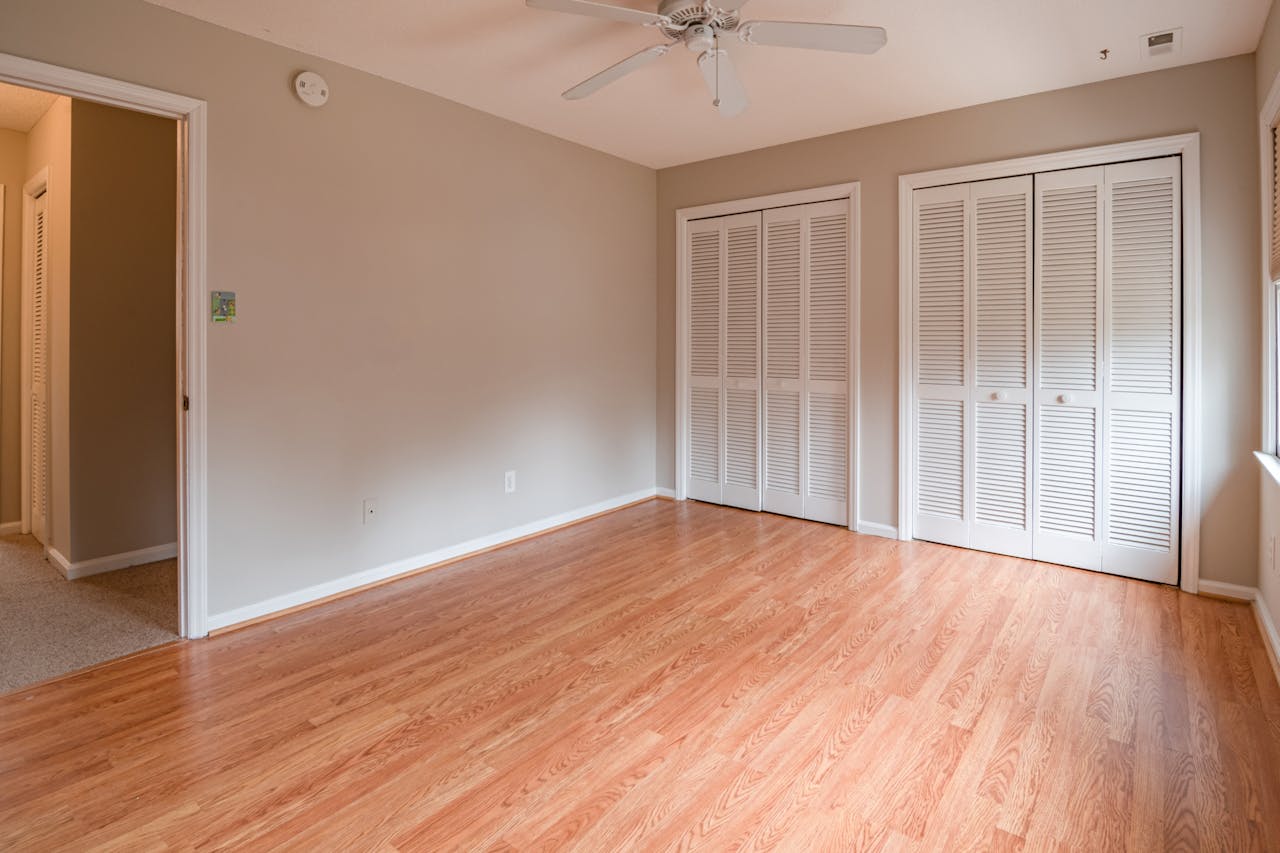
When a unit becomes vacant, invest time in making it look like a place someone would be excited to call home. Fresh paint, thorough cleaning, and fixing any defects signal quality. Small improvements such as modern lighting, updated hardware, and well-kept landscaping contribute significantly to prospective renters’ perceptions.

Regular maintenance while a property is occupied reduces turnover costs. If tenants feel well cared for and see that the landlord responds promptly to issues, they are more likely to renew their leases. High renewal rates directly reduce vacancy and the expenses associated with finding new tenants.
Learn how we can help you maximize your home’s potential.
Market Strategically and Broadly
Effective marketing ensures that potential renters see your property quickly and repeatedly. Gone are the days when a simple “For Rent” sign and a classified ad sufficed. Today’s renters search online first, scrolling through multiple sites and listings before scheduling a tour.
High-quality photographs are crucial. Photos that showcase natural light, spacious rooms, and appealing features draw more attention than dark, low-resolution images.
A well-written description that highlights unique selling points—such as proximity to amenities, updated appliances, included utilities, or pet-friendly policies—can differentiate your property from others.
Use multiple channels to reach a broad audience. Online rental platforms, social media, and localized listing services all have distinct user bases. Posting consistently and responding quickly to inquiries increases your chances of securing a tenant before they commit elsewhere.
Timing your marketing is also important. Begin advertising a unit well before the current lease ends so that you have ample time to show the property and secure a replacement tenant. In markets with seasonal demand, plan ahead to align availability with peak search periods.
Focus on Tenant Experience and Retention
Minimizing vacancy is not only about attracting new tenants but also about keeping the ones you have. Tenant retention is one of the most cost-effective ways to reduce vacancy because renewals eliminate the need for marketing, showings, and extensive turnover work.

Strong communication is a cornerstone of retention. Respond promptly to maintenance requests and be transparent about expectations and lease terms. Regular check-ins show tenants you value their comfort and are attentive to their needs.
Lease renewals can be encouraged through thoughtful offers. Consider modest rent incentives for longer lease commitments or minor upgrades for tenants who renew.
While every lease renewal will likely include a rent adjustment, keeping that adjustment fair and justified by market conditions and property improvements reinforces trust and reduces the likelihood of tenant turnover.
Happy tenants often become advocates. They refer friends and colleagues, leave positive reviews, and contribute to a community atmosphere that appeals to future renters.
Work With a Professional Property Management Company
Reducing vacancy rates takes time, local market insight, and consistent execution. Many rental property owners in Logan, Utah choose to work with a professional property management company to handle these demands efficiently.
Property managers bring expertise in pricing, marketing, tenant screening, lease administration, and maintenance coordination. Their understanding of local rental trends helps position your property competitively and attract qualified tenants faster. They also manage day-to-day tenant communication, showings, and applications, creating a smoother experience that encourages longer tenancies.
Bottom Line
Minimizing vacancy rates is at the heart of successful rental property ownership. By understanding your market, setting competitive rents, maintaining attractive units, employing strategic marketing, focusing on tenant experience, and leveraging professional management support, you can dramatically reduce the time your units remain unoccupied.
In Logan, Utah and similar markets, rental property owners who embrace these practices position themselves to enjoy stronger financial performance and long-term investment success. With the right strategies and support, vacancy can become a rare exception instead of a recurring challenge. If you need help, contact Reside Rentals!